
Breaking Barriers Behind Bars
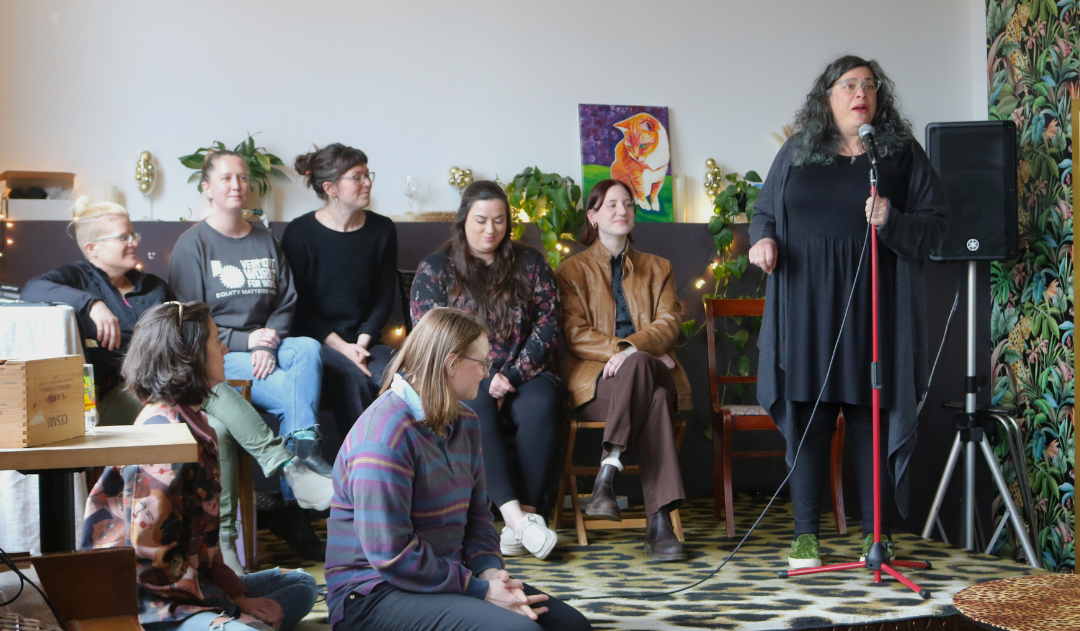
A Conversation About Supporting Women at CRCF
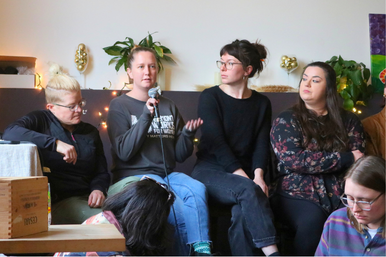
Vermont Works for Women joined partners from Mercy Connections, the Vermont Network’s DIVAS program, and Lund’s Kids-A-Part program for Breaking Barriers Behind Bars, a panel discussion hosted as part of the University of Vermont’s Public Philosophy Week. Together, we shared experiences and ideas about trauma-informed, gender-responsive programming within correctional facilities.
At VWW, our work at Chittenden Regional Correctional Facility (CRCF) focuses on creating employment pathways for individuals where they can apply skills gained during incarceration to sustainable, well-paying jobs when they reenter the community that will lead to economic independence and stability. While each organization brings a different focus, we collaborate closely — particularly around release planning, where we work with individuals to assess their needs and create a pathway back into the community. That means helping people find housing, employment, and other support services before they leave the facility.
One of the most pressing challenges our team discussed was housing. According to Vermont Department of Corrections data cited by Vermont Public, as of October 2025, 72 people were held past their minimum release date simply because they lacked safe housing. The shortage of affordable, stable housing across Vermont hits women leaving incarceration especially hard. “Selfishly, I feel relief when people come back and I know they are alive,” one provider shared, capturing the painful reality that for some women, the facility can feel safer than what’s waiting outside.
The service providers are also members of the Women’s Facility Stakeholder Group, which advises the Department of Corrections and the Department of Buildings and General Services on plans to replace CRCF with a new facility. Providers discussed the significant limitations of the current facility and the opportunity a new building presents — one designed with trauma-informed, gender-responsive principles, and includes space for wraparound services — to better support rehabilitation and successful reentry into the community.
We’re grateful for our partners in this work and for the opportunity to bring these conversations to the public.